
20+ Years Experience
Specialist Garden Buildings
Enquire Today For A Free No Obligation Quote
Garden rooms have been gaining popularity as an extension to traditional homes, providing additional living space and a connection to the outdoors. These versatile structures can be used as a home office, gym, or relaxation area, offering a peaceful retreat in the midst of nature.
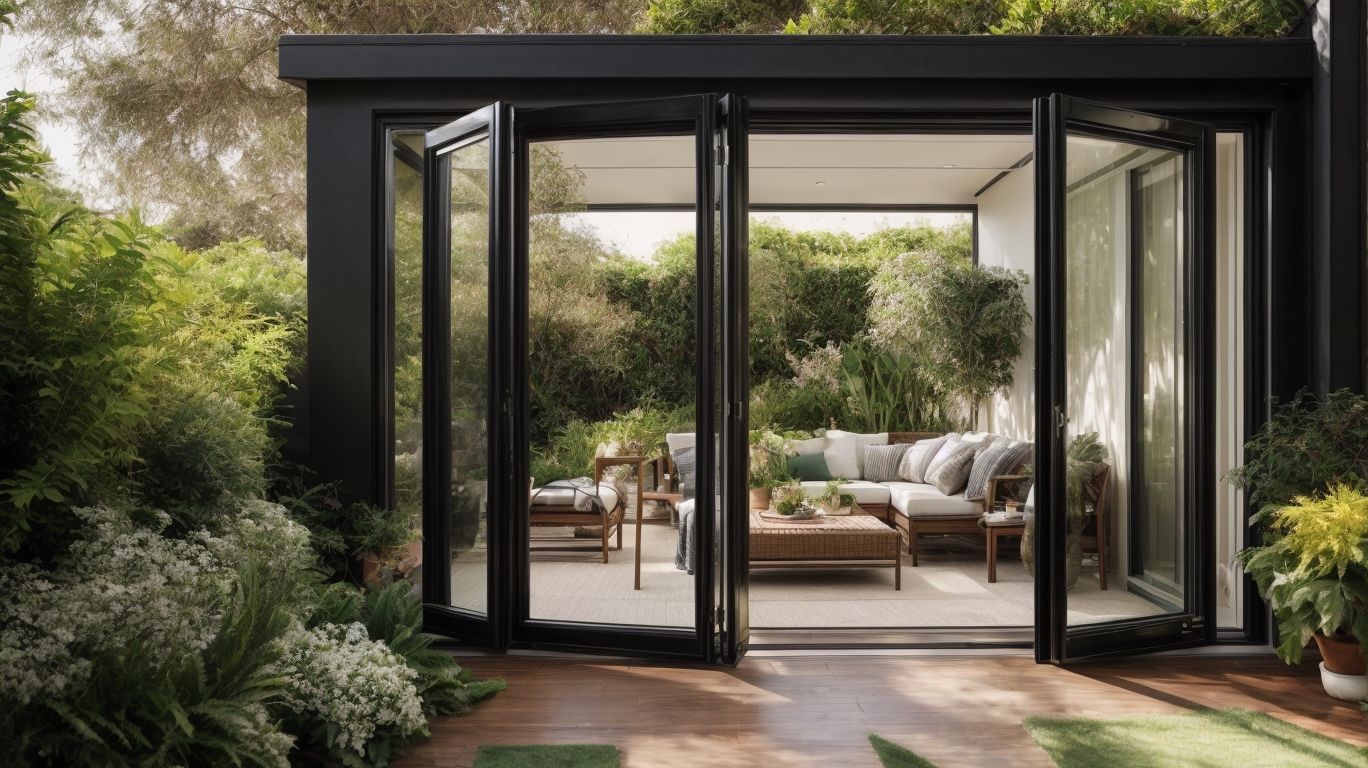
According to a study by Houzz, bi-fold doors are the most popular choice for garden rooms, with 54% of homeowners opting for this type of door. Bi-fold doors have become a popular feature due to their ability to create a seamless transition between indoor and outdoor spaces, making them a perfect match for garden rooms.
Bi-fold doors are a type of folding door that can open and fold to one or both sides, creating a wide opening to the outdoors. These doors are typically made of multiple panels that are connected by hinges and can be folded in an accordion-like manner. They are often made of materials such as aluminium, wood, or uPVC, and can come in a variety of finishes.
The use of bi-fold doors in garden rooms has many benefits, making them a popular choice among homeowners. Here are some reasons why bi-fold doors are an excellent option for your garden room:
To incorporate bi-fold doors in your garden room, you must consider factors such as layout, size, configuration, and material. It’s crucial to work with a professional to ensure that the doors are properly installed and complement the overall design of the space.
The benefits of having bi-fold doors in your garden room go beyond the aesthetic appeal. They also add value to your property by creating additional living space and making your home more desirable to potential buyers. With bi-fold doors, you can open up your garden room to nature and enjoy the beauty and serenity of your surroundings.
As our lives become more fast-paced and technology-driven, the need for a peaceful and natural retreat becomes increasingly important. This is where garden rooms come in. In this section, we will delve into the concept of garden rooms and their various forms. We will begin by defining what exactly constitutes a garden room and then explore the different types that are available, each with their own unique features and purposes. So, let’s open up to nature and discover the world of garden rooms.
Garden rooms are versatile outdoor spaces adjacent to the main house, designed for various purposes such as relaxation, work, or entertainment. These rooms are often constructed using materials that complement the natural surroundings. They offer a tranquil retreat while being conveniently close to the main residence, providing a seamless indoor-outdoor connection.
Pro-Tip: When designing garden rooms, consider incorporating bi-fold doors to enhance the connection with nature and create a spacious, airy environment.
Traditional Garden Rooms
Attached or standalone rooms, versatile use for offices, studios, or leisure spaces.
Contemporary Garden Rooms
Modern and minimalist design, often used as home extensions, gyms, or guest accommodations.
Conservatories
Glass-structured rooms, ideal for enjoying the garden view all year round, serving as dining areas or lounges.
In the world of interior and exterior design, bi-fold doors have become increasingly popular for their sleek and modern appearance, as well as their functionality. But what exactly are bi-fold doors and what materials are they made of? In this section, we will define bi-fold doors and discuss the various materials that are used to create these versatile and stylish door systems. Get ready to open up to nature with the addition of bi-fold doors to your garden rooms.
The definition of bi-fold doors refers to doors that fold in on themselves, stacking to one or both sides of an opening. These doors are typically made of a series of panels that fold back, creating a wide open space and seamless transition between indoor and outdoor areas.
Pro-tip: When selecting bi-fold doors for your garden room, consider opting for low-maintenance materials like aluminium or uPVC, as they are durable and weather-resistant.
The materials used for bi-fold doors vary from wood, aluminium, vinyl, and fibreglass. Each material offers distinct benefits such as durability, energy efficiency, and aesthetic appeal. For instance, wood bi-fold doors provide a classic look and natural insulation, while aluminium doors offer strength and a sleek modern appearance. The choice of material depends on factors like climate, maintenance preferences, and design requirements.
Fact: Bi-fold doors are commonly used to create a seamless transition between indoor and outdoor spaces.
When it comes to creating a seamless connection between indoor and outdoor spaces, bi-fold doors are a popular choice for garden rooms. These versatile doors offer numerous benefits that make them a top choice for homeowners. In this section, we will explore the advantages of using bi-fold doors in garden rooms, including how they provide a seamless indoor-outdoor experience, allow for natural lighting and ventilation, and offer a space-saving design. Discover why bi-fold doors are the perfect addition to your garden room.
A seamless indoor-outdoor experience refers to the effortless transition between the interior and exterior spaces, facilitated by bi-fold doors in garden rooms. The doors can be fully opened, erasing the boundaries between the two environments, allowing natural light and fresh air to flood the room, creating a harmonious blend of indoor comfort and outdoor serenity.
Assess the Orientation: Determine the sun’s path and the prevailing wind direction to optimise natural lighting and ventilation.
Strategic Window Placement: Position windows and bi-fold doors to maximise natural light and airflow, creating a comfortable and well-lit space.
Ventilation Options: Incorporate operable windows and doors to allow fresh air circulation, enhancing the indoor environment.
Space-saving design is a crucial aspect of bi-fold doors for garden rooms. These doors fold back onto themselves, maximizing the usable area within the room. This feature is especially beneficial for smaller outdoor spaces, making them appear larger and more functional.
Fact: Bi-fold doors were first introduced in the 1st century AD by Romans, showcasing the enduring appeal of space-saving design throughout history.
Garden rooms with bi-fold doors offer a unique opportunity to bring the outdoors in and create a seamless connection with nature. But how exactly can you incorporate these doors in your garden room design? In this section, we will discuss the key factors to consider when incorporating bi-fold doors in your garden room. From designing the layout to choosing the perfect size and configuration, as well as selecting the right material and finish, we will cover everything you need to know to create the perfect garden room with bi-fold doors.
When designing the layout for garden rooms with bi-fold doors, consider the orientation of the doors to maximise natural light. Ensure the doors open seamlessly to merge the indoor and outdoor spaces, creating a cohesive flow. Opt for a layout that allows for flexible usage, such as incorporating the doors as a focal point for easy access to the garden.
Additionally, consider the surrounding landscape to create a harmonious connection between the garden and the room.
Measure the space accurately to determine the available width and height for the bi-fold doors. Consider the number of panels required for the configuration, keeping in mind the space available when fully opened. Choose the opening direction that best suits the layout and flow of the garden room. Customise the size and configuration based on the specific architectural and design requirements of the space. Opt for a professional consultation to ensure the right size and configuration for seamless integration. It’s crucial to prioritise accuracy and functionality when choosing the right size and configuration for bi-fold doors in garden rooms. Professional guidance can significantly impact the final outcome.
Evaluate the Material: Consider factors like durability, maintenance, and aesthetic appeal for materials such as wood, aluminium, or uPVC.
Assess the Finish: Opt for finishes that complement the garden room’s style and environment, ensuring resistance to weather and wear.
Compare Options: Research and compare different material and finish combinations to find the best match for your garden room and personal preferences.
Garden rooms with bi-fold doors have been gaining popularity as a way to create a seamless connection between indoor and outdoor spaces. But aside from the obvious aesthetic appeal, what are the actual benefits of having a garden room with bi-fold doors? In this section, we’ll explore the various advantages of adding a garden room with bi-fold doors to your property, including increased living space, improved aesthetics, and a potential increase in property value.
Enhancing living spaces with bi-fold doors in garden rooms provides increased living space, seamlessly connecting indoor and outdoor areas. This expansion creates a versatile area for relaxation, entertaining, or work, amplifying the overall functionality of the home.
In the 19th century, urbanization led to smaller living spaces, prompting the development of innovative solutions like foldable partitions to maximize living areas.
Improved aesthetics are a key benefit of garden rooms with bi-fold doors. The seamless transition from indoor to outdoor spaces enhances the visual appeal of the garden room, creating a modern and stylish ambiance. Additionally, the natural lighting and unobstructed views provided by bi-fold doors contribute to an open and inviting atmosphere, further elevating the aesthetics of the living space.
Installing bi-fold doors in garden rooms can significantly increase the property’s value. This improvement enhances the overall appeal, creating a seamless indoor-outdoor experience, abundant natural light, and a feeling of expansiveness. Real estate experts confirm that homes with garden rooms featuring bi-fold doors tend to attract higher prices and sell faster due to the added allure and practicality.
A family in suburban California added a garden room with bi-fold doors to their property. The improved outdoor-indoor flow and expanded living space resulted in a 15% increase in the property’s value, leading to a quick and profitable sale.
Garden rooms with bi-fold doors are a modern and attractive addition to any home, offering a seamless connection between the interior and exterior and providing extra space for multipurpose use. They have become increasingly popular due to their ability to open up the interior and create a beautiful backdrop for outdoor gatherings and activities.
Bi-fold doors not only add an attractive design element to a garden room, but they also provide extra natural light, ventilation, and a sense of connection to nature. They are also highly energy efficient, secure, and easy to maintain, making them a great choice for any outdoor living space.
Yes, companies such as Modern Garden Rooms and Cabin Master offer bespoke, premium bi-fold doors for their garden room designs. These doors can be customized to fit the exact size and specifications of the garden room, with a variety of materials, colors, and features to choose from.
Both Modern Garden Rooms and Cabin Master offer a ten-year manufacturer’s guarantee on all door and window hardware, including bi-fold doors. This provides peace of mind for homeowners and ensures the quality and durability of the doors.
Yes, bi-fold doors used in garden rooms come with special locks and high-security tracks to prevent break-ins. They also have multiple locking points and security features, providing maximum safety and security for homeowners.
Natural light from bi-fold doors has many benefits, including producing Vitamin D, improving circadian rhythms and sleep patterns, and boosting productivity and happiness. The doors also provide extra light and ventilation to prevent a dark and stuffy space.
A garden house is a structure built within or adjacent to a garden, providing a space for relaxation, entertainment, and gardening activities. It is a popular addition to homes, especially for those who appreciate spending time outdoors and connecting with nature.
The benefits of having a garden house are numerous and can significantly enhance one’s quality of life. Here are the top five benefits of having a garden house:
There are different types of garden houses to choose from, including traditional, modern, and greenhouse garden houses, each with its unique design and functionality.
Apart from the aesthetic and functional benefits, a garden house can have a significant impact on one’s quality of life. Here are five ways a garden house can transform your lifestyle:
Before building a garden house, there are several factors to consider, such as budget, location, design, permits, and maintenance. By carefully planning and designing your garden house, you can create a space that not only enhances your quality of life but also adds value to your property.
Enhancing your property with a garden house significantly increases property value. Research indicates that homes with garden houses sell for higher prices, offering a considerable return on investment. Not only does it add square footage to your property, but it also enhances the overall appeal and functionality of your outdoor space, making it a desirable feature for potential buyers.
Guest accommodation: A garden house can provide additional living space for hosting guests, offering privacy and comfort.
Home office: Transform the garden house into a dedicated workspace, providing a quiet and separate environment for enhanced productivity.
Recreational area: Utilize the garden house as a recreational space, such as a yoga studio, art studio, or a relaxation area.
Rental opportunity: Convert the garden house into a rental unit, providing an additional source of income.
Storage: Create extra living space by using the garden house for storage, freeing up room in the main house.
Creating a relaxing environment is essential for a garden house. Consider adding comfortable seating, gentle lighting, and a soothing color palette. Incorporate elements such as a water feature or wind chimes to introduce calming sounds. Select fragrant plants like lavender or jasmine to enhance the atmosphere. Install retractable shades or screens to provide protection from the elements while maintaining an open feel. Lastly, adding personal touches like artwork or sculptures can further contribute to a tranquil space.
A garden house fosters a healthier lifestyle by promoting outdoor activities, such as gardening and relaxation in a natural environment. It encourages physical movement and mindfulness, reducing stress and promoting overall well-being. Additionally, the availability of home-grown produce supports a nutritious diet.
To fully embrace this lifestyle, consider incorporating a variety of plants, creating dedicated spaces for exercise and meditation, and cultivating a diverse range of fruits and vegetables.
By cultivating a garden house, you promote sustainability by reducing your carbon footprint, growing organic produce, conserving water through smart irrigation methods, supporting local biodiversity, and embracing eco-friendly practices.
Embracing sustainable gardening practices can significantly reduce environmental impact while enhancing your quality of life.
A traditional garden house is a timeless addition, offering a peaceful retreat amidst nature. Its classic design, with wooden beams and cosy furnishings, creates a warm atmosphere. This structure provides a space for relaxation, hobbies, or quality time with loved ones.
A friend found solace in her traditional garden house, using it for yoga sessions and as a tranquil workspace during the pandemic.
A modern garden house offers a versatile space for relaxation, work, and entertainment. It seamlessly integrates with contemporary lifestyles, providing a private retreat for remote work or a cosy spot for social gatherings. With energy-efficient features and stylish design, a modern garden house elevates the overall aesthetic of a property.
A friend transformed their backyard with a sleek, modern garden house. It became a serene workspace during the day and a vibrant entertainment area in the evenings, enhancing their lifestyle significantly.
When investing in a greenhouse garden house, consider factors like location, size, materials, and purpose.
Select a suitable location with optimal sunlight exposure.
The size should accommodate your gardening needs while fitting in the available space.
Choose durable, weather-resistant materials for longevity and easy maintenance.
Finally, define the purpose of your greenhouse, whether for hobby gardening, growing specific plants, or cultivating organic produce.
Fact: A well-maintained greenhouse can extend the growing season by several months, allowing for year-round cultivation.
A garden house offers a place to unwind and connect with nature, providing a tranquil escape from daily stresses. It serves as a retreat for relaxation, meditation, and rejuvenation. The natural surroundings, greenery, and fresh air create a serene environment ideal for unwinding, contemplation, and connecting with nature. The garden house fosters a deeper connection with the outdoors, promoting mental well-being and a sense of peace.
A garden house offers a dedicated space for hobbies and activities, providing an ideal environment for pursuits like painting, gardening, yoga, or reading. This space can serve as a retreat for relaxation or a hub for creativity, allowing for a seamless integration of leisure and passion.
A garden house serves as a source of fresh produce, offering homegrown fruits, vegetables, and herbs. This promotes a healthier lifestyle by providing organic, pesticide-free options. Additionally, it reduces reliance on store-bought produce, contributing to sustainability and cost-effectiveness.
Sarah, a gardening enthusiast, transformed her lifestyle by cultivating a garden house. She now enjoys a bountiful supply of fresh produce, leading to improved well-being and culinary experiences.
A garden house can serve as a versatile space, offering a place for entertaining and hosting events.
A garden house serves as a retreat for relaxation and self-care, offering a peaceful sanctuary for rejuvenation.
Assess your financial situation and determine the total budget for the garden house project.
Research and compare the costs of materials, labour, and any additional expenses such as permits or landscaping.
Consider cost-saving measures like DIY projects or opting for pre-fabricated garden house kits.
Consult with contractors to obtain accurate cost estimates and negotiate for the best rates.
Create a detailed budget plan, accounting for unexpected expenses and allocating funds accordingly.
When considering the location and size of a garden house, it’s essential to assess both factors to ensure a perfect fit for your lifestyle and needs.
Location
Size
Consider a spacious backyard for a larger garden house with ample room for landscaping and outdoor activities.
Choose a size that accommodates your intended use, whether it’s for storage, entertainment, or as a living space.
When considering a garden house, prioritize both design and functionality. Choose a layout that suits your lifestyle and amplifies your outdoor experience. Opt for features like large windows for natural light, versatile storage options, and durable materials for longevity.
Sarah transformed her garden shed into a cozy retreat. With a thoughtfully designed interior, she created a relaxing space for reading and hosting small gatherings, enhancing her quality of life.
Obtaining permits and adhering to regulations are crucial when building a garden house. Research local zoning laws, obtain necessary permits, and ensure compliance with building codes. Regulations may dictate factors like structure size, distance from property lines, and utility connections. Familiarise yourself with these requirements to avoid legal issues and ensure a smooth construction process.
Regular cleaning: Keep the garden house clean by dusting surfaces, sweeping floors, and wiping windows to maintain a fresh and inviting space.
Inspect for damage: Regularly check for any signs of wear and tear, including roof leaks, cracks in the walls, or damaged flooring, and repair them promptly.
Landscape maintenance: Trim bushes, mow the lawn, and tend to the garden to uphold the aesthetic appeal of the outdoor space.
Structural upkeep: Ensure the structural integrity of the garden house by checking for rot, termites, or other pest infestations, and address any issues immediately.
Seasonal preparations: Prepare the garden house for changing seasons by winterizing pipes, protecting plants from frost, and ensuring the heating and cooling systems are in working order.
How can a garden house enhance the quality of life?
A garden house provides extra space for relaxation, social interactions, and physical activity. It also offers a connection with nature and the opportunity to make the most of long days. It can also serve as a peaceful retreat from the distractions of modern living.
A garden house can serve as a stylish structure, a multi-functional space, and an entertaining space. It also provides additional work and study space, a covered outdoor decked space, and a delightful dining space. Additionally, it is a good investment for improving lifestyles and promoting sustainability.
Having a garden house can promote physical activity, increase outdoor exposure, and offer tastier food options through growing your own produce. It also provides a space for relaxation, peace, and mental well-being. In addition, it can serve as a spa retreat with features like a hot tub, sauna cabin, and massage table.
Yes, a garden house can have a positive impact on the environment. By using sustainable methods and materials such as recycled materials and UK-grown plants, it can contribute to water conservation, reduce pollution and CO2 emissions, and increase biodiversity and wildlife.
Yes, a garden house can help build social capital through sharing and connecting with others in the community. It can also foster intergenerational learning and deepen family relationships. Furthermore, it can provide a sense of community and belonging, especially through community gardening initiatives.
There are many ways to incorporate a garden house into your lifestyle. It can serve as a casual dining space, a breakfast room, a seated sanctuary, or a spa retreat. It can also be used for entertaining, as a study space, or as a peaceful spot for meditation. The possibilities are endless!
Insulated garden rooms, also known as garden offices or garden studios, are standalone structures designed to provide year-round comfort and usability in your outdoor space. These rooms are typically constructed with high-quality insulation materials that ensure comfortable temperatures regardless of the weather outside.
In recent years, insulated garden rooms have become increasingly popular, offering a versatile space that can be used for various purposes, such as a home office, art studio, or guest room. The benefits of insulated garden rooms are numerous, making them a valuable addition to any property. Some of the key advantages include:
Insulated garden rooms typically use various types of insulation to ensure temperature control and energy efficiency. Some of the commonly used insulation materials include foam board, mineral wool, fibreglass, and spray foam. With proper insulation, garden rooms can be used throughout the year for a variety of purposes. Depending on your needs, you can use an insulated garden room as a:
When choosing an insulated garden room, there are a few key considerations to keep in mind. These include:
Insulated garden rooms are versatile outdoor structures that provide a comfortable space year-round. They are typically constructed with insulated walls, floors, and roofs, offering protection from extreme temperatures. These rooms can serve as offices, gyms, studios, or relaxation areas, enhancing property value and living space. Consider adding heating and cooling systems for customised comfort. With proper insulation, these garden rooms offer an ideal retreat for various activities in any season.
Insulated garden rooms have become increasingly popular as a year-round outdoor living space option. But what exactly are the benefits of investing in one? In this section, we will discuss the various advantages that come with owning an insulated garden room. From comfortable temperature control to versatile use and added property value, there are many reasons why these structures are becoming a must-have for homeowners. Let’s dive in and discover the benefits of insulated garden rooms.
Insulated garden rooms offer comfortable temperature control throughout the year, ensuring a cosy environment in both summer and winter. Utilise high-quality insulation materials like foam board, mineral wool, fibreglass, or spray foam to regulate the internal temperature effectively.
Install efficient heating and cooling systems, such as HVAC units or electric heaters, to maintain the desired temperature levels.
Home Office: Utilise the garden room as a dedicated workspace, enhancing productivity and work-life balance.
Art Studio: Unleash creativity and inspiration in a peaceful and private setting.
Gym/Workout Space: Transform the room into a fitness area, promoting a healthy lifestyle.
Entertainment Room: Host gatherings or enjoy leisure activities in this versatile space.
Guest Room: Offer comfortable accommodation for visitors, ensuring privacy and convenience.
Enhanced appeal: Insulated garden rooms can increase property value by adding extra functional space, appealing to potential buyers.
Increased square footage: This addition expands the usable area of the property, providing an attractive feature for resale.
Flexible usage: The versatility of an insulated garden room offers potential as a home office, studio, or guest space, further adding value to the property.
Did you know? Adding an insulated garden room can potentially increase property value by up to 5%.
Insulated garden rooms offer a perfect solution for year-round comfort in your backyard oasis. One of the key components of these structures is the insulation, which helps to regulate temperature and create a comfortable environment. In this section, we will discuss the different types of insulation commonly used in garden rooms: foam board insulation, mineral wool insulation, fibreglass insulation, and spray foam insulation. Each type has its own unique properties and benefits, and we will explore them in more detail to help you make an informed decision for your own garden room.
Assess the area:
Before installation, measure and plan the application of foam board insulation.
Prepare the surface:
Ensure the surface is clean, dry, and free of any debris or protrusions.
Install the insulation:
Cut the foam boards to fit the space, secure them in place, and seal any gaps with appropriate materials.
Verify efficiency:
After installation, confirm the effectiveness of the insulation in maintaining thermal comfort.
Mineral wool insulation offers excellent thermal and acoustic properties, making it ideal for regulating temperature and reducing noise. Installation involves fitting mineral wool between wall studs or ceiling joists, ensuring a snug fit to prevent heat loss. Mineral wool is fire-resistant and does not promote the spread of flames, enhancing safety.
Pro-tip: When installing mineral wool insulation, wear protective clothing, gloves, and a mask to prevent skin irritation and respiratory issues.
Fibreglass insulation offers excellent thermal performance, effectively regulating the temperature within the garden room. It provides sound insulation, creating a quieter and more peaceful environment. Fibreglass insulation is fire-resistant, ensuring safety within the garden room. This insulation type is lightweight and easy to install, reducing construction time and labour costs.
Amanda transformed her uninsulated garden shed into a cosy workspace by installing fibreglass insulation. Now, she enjoys a comfortable and tranquil environment for her writing endeavours throughout the year.
Preparation:
Ensure that the area is clean, dry, and free of any debris before starting the application process.
Mixing:
Follow the manufacturer’s instructions to mix the spray foam components properly to achieve the right consistency.
Application:
Use a professional-grade spray foam insulation kit to apply an even layer of insulation to the desired surfaces.
Curing:
Allow the spray foam insulation to cure completely as per the recommended time frame before using the insulated garden room.
Insulated garden rooms offer a versatile and practical solution for expanding your living space. But how can you make the most of these structures throughout the year? In this section, we will discuss the various ways you can utilise insulated garden rooms in every season. From a home office to an art studio, a gym to an entertainment room, and even a guest room, we’ll explore the endless possibilities of these cosy outdoor spaces. Discover how you can enjoy year-round comfort with insulated garden rooms.
Creating a productive home office in an insulated garden room involves:
Fact: Insulated garden rooms can be a cost-effective alternative to traditional home extensions.
Creating an art studio in your insulated garden room can be a fantastic way to pursue your artistic endeavours. Here are steps to set up your art studio:
With these steps, your insulated garden room can transform into a nurturing environment for your artistic expression.
Designate a dedicated area for your gym/workout space within the insulated garden room to ensure ample room for exercise equipment and movement. Consider the flooring options suitable for workout activities, such as rubber mats or interlocking foam tiles for impact absorption and support. Ensure proper ventilation and temperature control to create a comfortable workout environment throughout the year. Install adequate lighting to support various workout routines and maintain a well-lit space for safety. Organize storage solutions for workout gear and equipment to keep the space tidy and functional.
Transform your insulated garden room into a captivating entertainment space. Decorate it with comfortable seating, ambient lighting, and a sound system for movie nights, game gatherings, or casual hangouts. Consider adding a small bar or snack area for convenience, and ensure the room is well-insulated for year-round use.
Ensure a comfortable bed with quality bedding and storage for personal items. Provide easy access to a bathroom and ensure privacy for guests. Create a welcoming ambiance with thoughtful decor and amenities like fresh towels and toiletries. Offer additional conveniences such as a small seating area and adequate lighting.
Did you know? A well-designed guest room can enhance the overall experience for visitors and make them feel at home.
When it comes to choosing an insulated garden room, there are several important factors to consider. From the size and layout of the space to the necessary building regulations and permits, each decision can greatly impact the overall functionality and enjoyment of your garden room. In this section, we will discuss the key considerations that will help you make an informed decision. These include size and layout, budget, building regulations and permits, and the aesthetics and design of your insulated garden room.
Consider the available space and the intended purpose of the garden room. Plan the layout to ensure adequate space for furniture or equipment. Factor in access points, windows, and doors when designing the size and layout. Ensure the layout allows for efficient movement and functionality within the space.
When constructing insulated garden rooms, the size and layout are crucial aspects that determine their usability and functionality.
Evaluate your finances to determine the maximum budget allocation for the insulated garden room project. Research the cost of materials, labour, and any additional expenses like insulation, heating, and interior decor. Consider long-term costs and potential energy savings when selecting insulation and heating options to suit your budget.
Seek multiple quotes from reputable builders to compare prices and ensure the project aligns with your budget.
Research Building Regulations:
Consult Local Authorities:
Hire a Professional:
Submit Application:
When navigating building regulations and permits, it’s crucial to ensure compliance and obtain the required approvals for a smooth and hassle-free construction process.
When considering the aesthetics and design of insulated garden rooms, it’s essential to focus on blending the structure with the overall landscape. Opt for materials that complement the existing architecture, such as timber or modern cladding. Pay attention to window placement to maximise natural light, and consider interior finishes that align with the room’s intended use.
Insulated garden rooms are structures designed to provide year-round comfort and versatility, making them a sought after addition to modern homes. With high quality insulation materials and professional installation services, these rooms offer inviting spaces that seamlessly blend indoor and outdoor living. They are a valuable addition to any property, providing extra living space and enhancing the overall appeal and functionality of the outdoor area.
There are numerous benefits to investing in an insulated garden room. These purpose-built structures offer versatile living spaces that cater to a range of needs, such as home offices for remote work, creative studios for artistic pursuits, or tranquil retreats for relaxation. They also provide thermal efficiency, keeping the space warm in winter and cool in summer, leading to energy savings and a comfortable indoor living environment.
There are various types of insulated garden rooms, each serving a specific purpose. Garden gyms offer an ideal space to get fit without weather woes, while garden offices provide a productive workspace for remote work. Garden studios are perfect for artists, writers, and musicians, and garden bars offer a stylish and inviting space for entertaining. Garden man caves are a personal hideaway for gaming, sports, or relaxation.
Insulated garden rooms offer tailored design options, allowing homeowners to create a space that aligns with their preferences and complements their existing property. These may include ergonomic furniture, stylish decor, and efficient storage. Upgrades such as sleek countertops and stylish barstools can be added to garden bars and man caves for a luxurious touch.
Insulated garden rooms are designed for year-round use, providing a controlled climate that protects instruments, supplies, and materials from changing seasons. They also offer a peaceful retreat from the daily grind, allowing for reading retreats or remote work in a comfortable and inviting space. This contributes to a healthier work-life balance and enhances the overall well-being of homeowners.
Professional installation services ensure a seamless transition from garden to garden room, with expert installers assessing the outdoor space and constructing the room with precision. This leads to a well-insulated and efficient structure that maximizes the benefits of high quality insulation materials. It also saves homeowners time and effort, ensuring the room is built to the highest standards.
As the world faces the consequences of climate change, sustainability has become a crucial aspect of our lives. It is the practice of using resources in a way that meets our current needs without compromising the ability of future generations to meet their own. With the increasing effects of climate change, it is more important than ever for individuals to make sustainable choices.
One way to embrace sustainability and create a green retreat is by building a custom garden room. These versatile and eco-friendly structures serve as a peaceful oasis in your backyard and promote sustainable living. A garden room is a freestanding structure that can be used as an extension of your home. It can serve as a home office, gym, art studio, or simply a relaxing space to unwind. With the right design and features, a garden room can also be an example of sustainable living.
By incorporating sustainable practices into the construction of a garden room, individuals can make a difference in reducing their environmental impact. Here are some ways a custom garden room can help promote sustainability:
There are various options for a custom garden room, including traditional, contemporary, and multi-purpose designs. Each design can be tailored to fit individual needs and enhance sustainability.
In addition to promoting sustainable practices, a custom garden room can benefit the environment in many ways:
By embracing sustainability and creating a green retreat with a custom garden room, individuals can make a positive impact on the environment and promote a more sustainable way of living.
Sustainability is crucial for preserving the environment, conserving resources, and ensuring a better future for generations. Embracing sustainability minimises carbon footprint, reduces waste, and safeguards ecosystems, making it essential for a greener and healthier planet.
To promote sustainability, consider implementing solar panels, using recycled materials, and incorporating energy-efficient designs in your garden retreat. Additionally, opt for native plants to support local biodiversity and reduce water consumption.
The effects of climate change are far-reaching, encompassing rising temperatures, extreme weather events, sea-level rise, and disruptions to ecosystems. These changes impact agriculture, water availability, and human health, leading to food and water shortages, higher disease prevalence, and increased migration.
In 2017, a small island nation in the Pacific, Kiribati, faced severe coastal erosion due to rising sea levels, forcing residents to relocate. Their traditional way of life and cultural heritage were profoundly affected, highlighting the human impact of climate change.
Reduce energy consumption by using energy-efficient appliances and turning off lights when not in use. Minimize water wastage by fixing leaks and using water-saving fixtures. Utilise public transportation, carpooling, biking, or walking to reduce carbon emissions. Adopt sustainable shopping habits by choosing eco-friendly products and reducing single-use plastics. Support environmental organisations and participate in community clean-up and conservation efforts.
In 1970, the first Earth Day was celebrated, mobilising millions and launching the modern environmental movement.
A garden room is a standalone structure situated in a garden or outdoor space, providing a versatile and customisable extension of the home. It can serve as a tranquil retreat, an office, a gym, a studio, or a playroom, seamlessly integrating with the natural surroundings while offering comfort and functionality.
The benefits of a garden room include enhancing living space, providing a peaceful retreat, and promoting sustainable living with a versatile area for relaxation or work. Additionally, garden rooms can offer a connection to nature, elevate property value, and reduce the need for extensive home renovations.
Fact: Garden rooms can increase property value by up to 5%.
Energy Efficiency:
Installing solar panels or using energy-efficient appliances in a garden room helps to reduce energy consumption.
Green Roof:
Implementing a green roof on the garden room promotes sustainability by improving insulation and reducing the urban heat island effect.
Use of Sustainable Materials:
Opt for eco-friendly materials such as reclaimed wood or recycled metal for construction.
Rainwater Harvesting:
Incorporate a system to collect and store rainwater for irrigation and other non-potable uses.
Natural Ventilation:
Design the garden room to maximise natural ventilation and reduce the need for mechanical cooling systems.
Transforming your outdoor space into a sustainable green retreat is not only beneficial for the environment, but also for your own well-being. One way to achieve this is by adding a custom garden room to your property. But how can you ensure that your garden room is truly eco-friendly? In this section, we will discuss practical tips on how to create a green retreat with a custom garden room, including using sustainable materials, incorporating energy-efficient features, adding natural elements, utilizing rainwater harvesting, and implementing eco-friendly gardening practices. Let’s get started on creating a beautiful and sustainable outdoor oasis.
Choosing sustainable materials for a bespoke garden room is essential to reduce environmental impact. Select reclaimed wood, bamboo, recycled metal, or reclaimed bricks. These materials not only reduce waste and carbon footprint but also bring distinctive character to the building.
To incorporate energy-efficient features into a custom garden room, follow these steps:
By incorporating energy-efficient features, you can create a sustainable and eco-friendly garden room while minimizing environmental impact.
Use natural materials like wood, stone, and bamboo for flooring, furniture, and decor. Integrate indoor plants to enhance air quality and create a connection with nature. Incorporate natural light through large windows or skylights to reduce the need for artificial lighting. Create a water feature using natural elements like rocks and plants to promote relaxation and biodiversity. By adding natural elements, you can transform your garden room into a tranquil and eco-friendly sanctuary, connecting you with the beauty of the outdoors.
Install a collection system to capture rainwater from the roof.
Use a filtration system to remove debris and impurities from the collected rainwater.
Store the filtered rainwater in suitable containers like rain barrels or underground tanks.
Employ the stored rainwater for various non-potable purposes such as watering the garden, cleaning, or flushing toilets.
Fact: Utilising rainwater harvesting can reduce a household’s water consumption by up to 50% during the drier months.
Use organic fertilisers and pesticides to minimise chemical usage.
Practice companion planting to naturally repel pests and promote biodiversity.
Conserve water by utilising drip irrigation and collecting rainwater.
Compost organic waste to enrich the soil and reduce landfill contributions.
Employ mulching to retain soil moisture and suppress weed growth.
By implementing eco-friendly gardening practices, you can contribute to a healthier environment while creating a thriving and sustainable garden retreat.
Are you looking to create a sustainable and eco-friendly space in your backyard? A custom garden room may be the perfect solution. But with so many options available, it can be overwhelming to decide which type of garden room is right for you. In this section, we will explore the different options for a custom garden room, including traditional, contemporary, and multi-purpose designs. Each option offers unique benefits and features, so let’s dive in and find out which one suits your needs and style best.
A traditional garden room is a classic outdoor structure, usually made of wood and designed to blend seamlessly with the natural surroundings. It often features traditional architectural elements such as pitched roofs, sash windows, and ornate detailing.
Fun Fact: The concept of garden rooms dates back to the 17th century, originating in England as a way to enjoy the beauty of the garden in a comfortable sheltered space.
A contemporary garden room is a modern, stylish outdoor space that offers versatility for various uses. It features sleek design elements and innovative construction techniques, providing a sustainable and aesthetically pleasing extension to your home. The contemporary garden room complements the architectural style of modern homes and promotes sustainability through the use of eco-friendly materials and energy-efficient features, making it an ideal choice for environmentally conscious individuals seeking a functional and eco-friendly retreat.
A multi-purpose garden room is a versatile addition to any property, serving various functions such as a home office, gym, or entertainment area. It optimises space utilisation and offers a sustainable way to expand living areas without extensive construction. By accommodating multiple activities, a multi-purpose garden room promotes eco-friendly living by reducing the need for additional structures and encouraging a more efficient use of resources.
As our world becomes increasingly aware of the importance of sustainability, many individuals are looking for ways to reduce their environmental impact. A custom garden room is not only a beautiful addition to any home, but it also offers numerous benefits for the environment. In this section, we will discuss how a custom garden room can help reduce your carbon footprint, increase biodiversity, improve air quality, and provide a sustainable living space. Get ready to create a green retreat with a custom garden room!
Custom garden rooms reduce carbon footprint through various sustainable practices:
To enhance biodiversity, include indigenous plants, diverse habitats, and natural water sources in the garden design. This will draw various wildlife species, leading to a more varied and balanced ecosystem.
A custom garden room contributes to a healthier environment by improving air quality. Plants within the garden room filter pollutants and release oxygen, enhancing the surrounding air. Additionally, the use of sustainable materials and eco-friendly features in the construction process further minimises air pollution, promoting cleaner and fresher air.
To enhance air quality, ensure proper ventilation and incorporate air-purifying plants within the garden room. Utilise energy-efficient appliances and consider installing an air filtration system for added purification.
A custom garden room provides a sustainable living space by offering a versatile area for eco-friendly activities. It reduces the carbon footprint through energy-efficient features, promotes biodiversity with natural elements, and improves air quality.
Pro-tip: When designing your garden room, consider using salvaged or reclaimed materials to further enhance its sustainability.
Are you looking to create a sustainable and eco-friendly space in your backyard? A custom garden room may be just what you need. But where do you begin? In this section, we will discuss the first steps in creating a custom garden room, starting with the initial consultation. We will also delve into the benefits of tailored solutions for your specific needs and vision. Get ready to turn your backyard into a green retreat with a custom garden room.
Discuss Requirements: Share your ideas, budget, and requirements with the garden room specialist during the consultation.
Site Assessment: The specialist will visit your property to assess the space and understand any limitations or possibilities.
Design Exploration: Collaborate on initial design concepts and explore customization options based on your preferences.
Regulations and Permits: Understand the local regulations and necessary permits for the construction process.
Timeline and Budget: Discuss the project timeline and budget expectations to align with your needs.
When considering a custom garden room, tailored solutions ensure that the space meets your specific needs, from design to functionality. Tailored solutions involve personalised consultations, customised designs, and unique features that align with your preferences and sustainability goals.
Fact: A well-designed garden room can increase property value by up to 5%.
null
1. Can a bespoke garden room be made with sustainable materials? Yes, a bespoke garden room can be made with sustainable materials, such as sustainable forest wood, to reflect the natural beauty of the surrounding green space and embrace sustainability. 2. How can a garden room be designed for year-round use? By incorporating features like energy-efficient double glazed doors and windows, impermeable barriers, and sound systems, a bespoke garden room can be enjoyed all year round, providing a peaceful escape in any season. 3. How can a garden room be used for entertaining guests? With strategic placement, sliding patio doors, and a decked area, a garden room can serve as the perfect space for intimate conversations, cocktail parties, and even a home cinema experience. 4. Is it easy to customise a garden room to fit individual preferences? Absolutely, with an expert design team, an online design tool, and a garden room showroom, individuals can easily customise their dream green retreat, from size and layout to building materials and features. 5. Can a garden room add value to a property? Yes, a beautifully designed and well-maintained garden room can draw up interest and potentially increase property values, as it offers a unique and stunning outdoor oasis that can be enjoyed year-round. 6. Are there any hidden costs associated with building a garden room? While the upfront cost of a bespoke garden room may be higher than other home improvement projects, it can save on moving costs, storage fees, and even energy costs in the long run. However, it is important to consider surveyor fees, legal fees, and the cost of any additional features or customisations.
A contemporary garden office, also known as a garden room or garden studio, is a modern workspace constructed in the garden of a residential or commercial property. These structures have become increasingly popular in recent years due to their numerous benefits. According to a survey conducted by Home Office Dad, 80% of people working from home reported feeling more productive in a garden office, and 74% agreed that it improved their work-life balance.
With rising property prices and the shift towards remote working, more and more people are opting for contemporary garden offices as a cost-effective alternative to traditional office spaces. Here are five compelling reasons why you should consider having a contemporary garden office:
Contemporary garden offices have several features that make them a desirable workspace. Here are some key features to consider:
With the growing trend of remote working, creating a contemporary garden office is a great way to modernise your workspace. Here are some steps to help you get started:
A contemporary garden office is a modern workspace located in a garden or outdoor area, offering a tranquil and inspiring environment for work. It is a stylish, functional, and eco-friendly structure designed for remote work, creative pursuits, or as a private retreat. These offices often feature large windows, sustainable materials, and integrated technology, providing a seamless blend of nature and modern amenities.
In recent years, there has been a growing trend towards working remotely and having a dedicated workspace at home. Enter contemporary garden offices, a modern and stylish solution to the traditional home office. But what makes these garden offices so popular? In this section, we will explore the top five reasons why more and more people are opting for a contemporary garden office over a traditional office space. From cost-effectiveness to increased productivity, we’ll discover the unique benefits that these modern workspaces offer.
Assess your budget and compare costs between building a traditional office and a garden office.
Consider long-term savings in terms of rent, commuting costs, and utility bills.
Research and select cost-effective, durable materials that suit your design and climate.
Explore DIY options if you have the skills, or obtain quotes from reputable garden office builders.
Factor in ongoing maintenance costs and energy efficiency to ensure a truly cost-effective solution.
Organise the workspace: Arrange furniture and equipment to optimise workflow.
Introduce greenery: Incorporate plants to enhance air quality and create a refreshing atmosphere.
Maximise natural light: Position the office to capture ample sunlight, aiding focus and mood.
Promote creativity: Display inspiring art or decor items for a stimulating environment.
Implement ergonomic design: Utilise ergonomic furniture to support comfort and well-being.
Did you know? Studies show that incorporating natural elements in workspaces can increase productivity and creativity.
Create a designated space: Set up a separate area for work, allowing for a clear boundary between professional and personal life.
Establish set hours: Define specific working hours and stick to them, maintaining a healthy work-life balance.
Take regular breaks: Schedule short breaks to relax, recharge, and avoid burnout.
Limit distractions: Minimize interruptions by creating a conducive work environment within the garden office.
Embrace flexibility: Leverage the proximity to nature for a refreshing escape during work hours.
When creating a modern garden office, it is essential to ensure that it is environmentally friendly and sustainable. This includes using materials with minimal environmental impact, implementing energy-efficient designs, and considering the long-term ecological footprint of the structure.
In the 1970s, as environmental concerns gained momentum, the concept of eco-friendly and sustainable architecture began to thrive. Architects and designers began to incorporate green principles into building designs, paving the way for the modern focus on eco-friendly garden offices.
Enhances Property Value: A well-designed contemporary garden office can increase the overall value of your property, offering an attractive and functional addition.
Expanded Usage: By providing an additional space for work, hobbies, or relaxation, it broadens the utility of your property, making it more appealing to potential buyers.
Cost-effective Investment: Compared to traditional home extensions, a contemporary garden office offers a cost-effective way to add value and functionality to your property.
Curb Appeal: A stylish and well-maintained garden office enhances the visual appeal of your property, leaving a positive impression on visitors and prospective buyers.
Potential Rental Income: If not needed for personal use, a contemporary garden office can serve as a rental space, generating supplementary income and contributing to property value.
In today’s fast-paced world, many individuals are choosing to work remotely and from the comfort of their own homes. As a result, the demand for contemporary garden offices has increased significantly. These modern workspaces offer a unique blend of functionality, style, and sustainability. In this section, we will explore the key features of a contemporary garden office that make it an attractive and practical option for those looking to modernize their workspace. From sleek design and eco-friendly materials to customizable layouts and natural lighting, each aspect contributes to creating an ideal work environment.
Start with a sleek, minimalist design featuring clean lines and geometric shapes. Incorporate architectural elements like large windows and open floor plans to create a sense of spaciousness and connection with the outdoors. Use modern materials such as glass, steel, and concrete for a contemporary look and sustainable construction. Fuse indoor and outdoor spaces seamlessly by incorporating features like sliding glass doors or outdoor patios. Implement smart technology and innovative building techniques to enhance functionality and energy efficiency.
Modern garden offices reflect the evolution of workspaces, adapting to technological advancements and changing lifestyles while prioritising sustainable and ergonomic design.
When constructing a contemporary garden office, it is vital to prioritize energy-efficient and environmentally-friendly materials. Opt for sustainable options such as reclaimed wood, recycled metal, and eco-friendly insulation. These materials not only reduce environmental impact but also contribute to a healthier workspace environment, enhancing productivity and well-being.
In the 1970s, the energy crisis spurred a movement towards energy-efficient and environmentally-friendly materials in building construction, leading to the development of sustainable architecture and eco-friendly building practices.
Assess the available space and consider the dimensions to ensure the layout fits the area. Design the layout with modular furniture that can be easily reconfigured to adapt to changing needs. Include storage solutions that can be adjusted or expanded as required for a versatile workspace. Integrate movable partitions or screens to create separate zones within the office for different tasks or privacy. Utilise technology-friendly fittings to accommodate various equipment and devices, allowing for seamless adaptability.
Fact: A customisable and flexible layout in a garden office enables easy adaptation to evolving work demands and preferences.
Assess insulation needs: Evaluate climate conditions to determine the appropriate insulation R-value.
Choose quality materials: Select high-density insulation like foam boards or fiberglass for optimal soundproofing.
Seal gaps and cracks: Ensure thorough sealing around doors, windows, and electrical outlets to prevent air leaks and sound transmission.
Install soundproofing barriers: Use materials like mass-loaded vinyl or soundproof drywall to minimize sound transfer.
Consider acoustic panels: Integrate sound-absorbing panels to reduce reverberation and echoes within the space.
Position windows strategically to maximise natural light and provide soothing views. Consider skylights or roof windows to flood the space with sunlight, creating a bright and airy atmosphere. Utilise glass doors and walls to connect the indoor workspace with the outdoor environment, promoting a sense of openness and connection to nature. Opt for light-coloured interior decor and furniture to enhance the distribution of natural light. Incorporate outdoor seating areas to allow for breaks amidst nature, fostering a rejuvenating work environment.
Embracing natural light and views in your contemporary garden office can elevate productivity and overall well-being, creating a harmonious work environment.
Are you looking to modernise your workspace and create a contemporary garden office? Look no further! In this section, we will break down the steps to creating your own garden office that is both functional and stylish. From choosing the perfect location to adding your personal touch, we’ll cover all the essentials so you can design and build your dream workspace. So let’s get started and turn your garden into a sleek and productive office space.
Evaluate the available space and ensure it can accommodate the office structure. Consider the orientation for optimal natural light and pleasant views. Assess the proximity to utilities like electricity and internet for practicality. Check local regulations and restrictions regarding building a garden office. Factor in accessibility and privacy for a comfortable and productive work environment.
Assess available space and surroundings to determine the optimal location.
Create a floor plan considering the number of occupants, furniture placement, and storage needs.
Factor in electrical outlets, lighting, and technology requirements during the planning phase.
Choose materials that align with the desired aesthetic and offer durability and insulation.
Customise the layout to accommodate specific work functions and personal preferences.
Research suitable materials:
Consider furnishings:
Environmental impact:
Budget and aesthetics:
Understand zoning laws and building regulations applicable to garden offices in your area. Obtain necessary permits and clearances from local authorities before construction. Ensure compliance with property boundaries and setback requirements to avoid legal issues. Consider practical aspects like access to utilities, internet connectivity, and heating and cooling systems. Adhere to health and safety standards for electrical wiring, fire safety, and structural stability.
Reflect Your Style: Incorporate personal touches in decor, such as artwork, plants, or inspirational quotes.
Create Functional Spaces: Design zones for focused work, relaxation, and storage to suit your work habits.
Add Comfort: Integrate ergonomic furniture, heating, and cooling systems for a cosy environment.
Embrace Technology: Install Wi-Fi boosters, ample power outlets, and smart lighting for convenience.
Showcase Personal Items: Display items that motivate and inspire you, making the space uniquely yours.
A contemporary garden office is a separate workspace that is built in your garden. It provides a dedicated and stylish workspace that can help to improve your work-life balance, productivity, and work quality. It also offers a valuable outdoor space for relaxation and family bonding.
A garden office is a valuable addition to any property, as it can increase the resale value by up to 15%. It is a desirable feature for homebuyers, making it a valuable investment. It also offers extra living space, which can be used for a variety of purposes, such as a home theatre system, music studio, or art studio.
Building an extension or converting a spare room can be expensive. A garden office, on the other hand, has relatively low initial costs, and can add around 1.5 times its cost price to the value of your property. It is also fully insulated and can serve as a year-round workspace, eliminating the need for costly daily commutes.
Yes, a garden office can serve as a peaceful retreat where you can spend quality time with your family. It offers a comfortable environment for family time, movie nights, game nights, or just enjoying a cup of tea while taking in the stunning views. It can also be a hangout spot for young children or a space for older family members to relax.
Garden offices are made from sustainable materials and are highly energy-efficient. They can help to reduce your carbon footprint by eliminating the need for a daily commute. They also offer a versatile structure that can be used for a variety of purposes, such as a yoga room or storage facility, without adding to your travel expenses.
In today’s competitive property market, a garden office can make your property more attractive to buyers and increase its resale value. It also serves as a stylish feature building that can be used for a variety of purposes, such as a summer barbecue area or a corner garden room with a built-in bar. It can be a unique selling point for your property.
Garden office pods are small, self-contained, and versatile outdoor structures that serve as a dedicated workspace. These pods are designed to offer a peaceful and productive working environment while allowing individuals to be close to nature. They are a popular alternative to traditional offices and can be easily installed in backyards, gardens, and even rooftops.
Compared to traditional offices, garden office pods offer several unique advantages that make them a desirable option for many businesses and individuals. Here are the top three differences:
The benefits of using garden office pods go beyond just being aesthetically pleasing. These versatile structures offer numerous advantages that can significantly enhance productivity, work-life balance, and mental health. Here are the top three benefits:
When choosing a garden office pod, it is essential to consider factors such as size, design, location, accessibility, and budget. These factors will ensure that the pod meets the specific needs and requirements of the individual or business. With its numerous benefits, garden office pods are becoming an increasingly popular choice for those looking for a productive and eco-friendly workspace.
Garden office pods are small, detached buildings located in a garden and used as an office space. They provide a quiet, separate area to work from home, away from the distractions of the main household. These pods are usually well-insulated and equipped with electricity, heating, and internet access, offering a comfortable and productive workspace amidst nature.
Fun Fact: Garden office pods can also serve as a serene retreat for meditation and relaxation.
In todayu2019s fast-paced world, many individuals are seeking alternative workspaces that can boost their productivity and creativity. Garden office pods have emerged as a popular option, offering a unique and refreshing work environment. In this section, we will take a closer look at how garden office pods differ from traditional offices. From their cost-effective design to their flexible and eco-friendly features, we will explore the various ways in which garden office pods stand out from the norm.
To maximize cost-effectiveness, consider sustainable materials and energy-efficient features, ensuring long-term savings.
Modular Structure:
Garden office pods offer customisable layouts, allowing for easy expansion or reduction according to space requirements.
Adaptable Features:
These pods can be equipped with various amenities, such as sliding doors, adjustable shelving, and integrated storage solutions.
Material Options:
Choose from a range of eco-friendly and sustainable materials for construction, ensuring flexibility in design while maintaining environmental consciousness.
Use sustainable materials: Opt for eco-friendly materials like reclaimed wood or recycled metal for construction.
Energy-efficient features: Install solar panels, energy-efficient windows, and insulation to reduce energy consumption.
Green surroundings: Incorporate landscaping with native plants to promote biodiversity and reduce water usage.
Sustainable choices in building materials and energy sources can make your garden office pod environmentally friendly, contributing to a greener future.
Are you tired of working from home or constantly being surrounded by distractions in a traditional office setting? Look no further than garden office pods – the perfect solution for those seeking a productive and peaceful work environment. In this section, we will discuss the various benefits of using garden office pods, including increased productivity, reduced distractions, and improved work-life balance. Say goodbye to noisy coworkers and hello to a more efficient and enjoyable work experience.
Establish a designated workspace within the garden office pod to create a focused environment. Utilise soundproofing and ergonomic furniture to enhance comfort and minimise distractions. Integrate natural elements, like plants and outdoor views, to promote a tranquil and refreshing setting.
Suggested approach: To optimise productivity in a garden office pod, prioritise organisation, comfort, and connection with nature.
Designated Space: Create a dedicated work area to reduce household distractions.
Noises: Use noise-cancelling headphones or soft background music to minimise disruptions.
Schedule Breaks: Plan regular breaks to maintain focus and avoid burnout.
Considering these steps can significantly enhance your work efficiency and overall well-being.
Create a dedicated workspace within the garden office pod to separate work from personal life. Establish a clear daily schedule to maintain boundaries between work hours and leisure time. Use the garden surroundings to take short breaks and connect with nature, promoting a healthier work-life balance.
In todayu2019s fast-paced and technology-driven world, itu2019s becoming increasingly important to find ways to improve our mental health. Garden office pods provide a unique solution for individuals looking to enhance their productivity while also taking care of their mental well-being. In this section, we will delve into the different ways that garden office pods can improve mental health. From the benefits of natural light and fresh air to the separation from home life and the ability to create a personalized work environment, each sub-section will explore a key aspect of how garden office pods can positively impact our mental state.
Positioning: Orient the garden office pod to maximise natural light and ventilation, reducing the need for artificial lighting and air conditioning.
Windows and Skylights: Incorporate large windows and skylights to let in ample natural light and facilitate air circulation.
Ventilation Systems: Install adjustable vents to control airflow and ensure a constant supply of fresh air.
Create physical boundaries within the garden office pod to distinguish work and home spaces. Designate specific working hours, separating them clearly from personal time. Establish a routine for entering and leaving the garden office pod, reinforcing the idea of transitioning from home to work.
Pro-tip: Adding personal touches to the garden office pod can aid in mentally separating it from the rest of the home, enhancing the feeling of a dedicated workspace.
Create a designated workspace tailored to your preferences and needs, incorporating elements that inspire and motivate you. Personalise the decor and layout to reflect your personality and work style, fostering a comfortable and conducive environment. Add ergonomic furniture, lighting, and temperature controls to enhance productivity and well-being in your personalised work space.
When it comes to setting up a garden office, there are several factors that need to be carefully considered. These factors can greatly impact the functionality and effectiveness of a garden office pod. In this section, we will discuss the key considerations that should be taken into account when choosing a garden office pod. From the size and design to the location and budget, each factor plays a crucial role in creating the perfect workspace in your backyard. So, let’s dive into the details and discover what makes a garden office pod the ideal solution for your productivity needs.
Consider the available space and layout. Choose a design that complements your garden style. Assess the practicality of the pod’s features and functionalities.
Once, a client wanted a garden office pod with a modern, minimalistic design. After discussing various options, they settled on a sleek, compact pod that perfectly blended with their garden’s contemporary aesthetic.
Location and accessibility play a crucial role in choosing a garden office pod. Ensure the location provides a peaceful and productive environment. Additionally, consider accessibility for utilities and transportation. Opting for a location with good connectivity and proximity to necessities can enhance the functionality of the garden office pod.
Fact: A study by Harvard University found that employees working in environments with natural elements, such as natural light and greenery, experienced a 26% boost in cognition.
Assess your financial resources to determine the maximum budget for the garden office pod.
Research different pod options and their associated costs to find one that aligns with your budget.
Consider any additional expenses such as installation, foundation, and utility connections when budgeting for the pod.
When planning your garden office pod, it’s essential to strike a balance between cost and quality. Explore various options within your budget to create a functional and inspiring workspace.
A garden office pod provides a distraction-free environment, separate from the main living spaces and away from noisy family members. This allows for a mentally refreshing switch between work and leisure, enhancing productivity and focus.
Yes, a garden office pod is a cost-effective solution for remote work, eliminating the need for expensive office spaces and reducing daily commute expenses.
Garden office pods are designed to be a professional and functional workspace, equipped with power outlets, white walls, and high-quality interior finishes. This makes them perfect for remote work and business meetings.
A commute-free work environment saves valuable time, reduces carbon footprint, and eliminates the stress of waiting for public transport or getting stuck in traffic jams. It also allows for a short stroll from the front door to the office, maximizing productivity.
Installing a garden office pod can increase property value and make your home more attractive to potential buyers, as it offers a versatile and functional extra room that can be used as a home office, study, or personal sanctuary.
In many cases, planning permission is not required for garden office pods, as they fall under permitted development rights. This makes the process of designing and building one a fuss-free and time-saving process.
A garden room, also known as an outbuilding or backyard pod, is a versatile and cost-effective addition to your home. It is a standalone structure built in your garden or backyard, offering extra space for various purposes such as a home office, guest room, gym, or hobby room. Garden rooms are becoming increasingly popular due to their affordability, flexibility, and minimal disruption to your existing property.
Before considering the costs, it is essential to understand why building a garden room is a practical and beneficial option. Garden rooms provide a separate and quiet space within your property, offering privacy and convenience. They are also a cost-effective alternative to traditional home extensions, as planning permission is not required in most cases.
The total cost of building a garden room can vary depending on several factors. These include:
On average, a basic garden room can cost between $5,000 to $10,000, a mid-range one can cost between $10,000 to $20,000, and a high-end one can cost upwards of $20,000.
When budgeting for a garden room, it is essential to know what is included in the cost. Typically, the cost includes:
To save money on building a garden room, you can consider options like DIY or pre-fabricated kits, using recycled materials, choosing a simple design, negotiating with contractors, and utilising natural light and ventilation.
With proper planning and budgeting, a garden room can be a valuable addition to your home without breaking the bank.
A garden room is a standalone structure within a garden area, serving a variety of purposes such as an office space, relaxation area, or a home gym. It offers a tranquil and separate space from the main residence for different activities and functions, providing a peaceful retreat without leaving the comfort of your home.
Building a garden room offers a versatile space for relaxation, work, or entertainment, enhancing property value and avoiding the need for a costly home extension. It can serve as a tranquil home office or a cosy entertainment area, providing a connection to nature while being shielded from outdoor elements. With the ability to customise design and function, a garden room is a valuable addition for any homeowner seeking additional space and flexibility.
Suggestions:
When considering adding a garden room to your property, one of the most pressing questions is likely to be: how much will it cost? The answer depends on a variety of factors, each of which we will discuss in this section. From the size and design of the garden room, to the materials and construction methods used, to the location and accessibility of your property, and even any additional features you may want to include, all of these elements play a role in determining the overall cost of your garden room. Let’s take a closer look at each factor and how they can impact your budgeting decisions.
Assess purpose: Determine the primary use of the garden room and the space needed for the intended activities.
Consider aesthetics: Select a design that complements the existing landscape and architectural style.
Seek professional advice: Consult with a designer or architect to create a functional and visually appealing layout.
Material selection: Choose durable and weather-resistant materials suitable for the local climate and desired aesthetics.
Space utilisation: Optimise the layout to maximise usable space while maintaining a comfortable environment.
Material: Choose durable, weather-resistant options such as cedar, redwood, or composite materials to ensure long-lasting use.
Construction: Employ skilled professionals to ensure accurate installation and construction, reducing the need for repairs. When considering the material and construction for your garden room, prioritise quality to ensure durability and minimal maintenance.
Research local suppliers and contractors to compare materials and services, enabling you to make informed decisions.
Consider the proximity of the garden room to your main residence, ensuring it’s easily accessible for daily use.
Assess the terrain and any potential obstacles that may affect the delivery and construction process.
Ensure the location provides adequate sunlight and ventilation to create a comfortable environment.
Check local building regulations and zoning laws to ensure compliance and avoid potential setbacks.
When choosing the location for your garden room, prioritize accessibility, natural light, and adherence to local regulations to ensure a smooth building process and optimal functionality.
Additional features for a garden room can enhance its functionality and visual appeal.
When considering these features, assess their practicality and impact on the overall budget and design.
One of the key considerations when planning for a garden room is the cost. However, the price range can vary greatly depending on the type of garden room you choose. In this section, we will break down the costs of three types of garden rooms: basic, mid-range, and high-end. By understanding the differences in cost and inclusions, you can make an informed decision on which option best suits your budget and needs. Let’s dive into the world of garden room costs and unveil the details you need to know.
Choose a simple design for cost-effectiveness and quicker construction. Select affordable, durable materials suitable for the garden environment. Consider a smaller size to minimise material and construction costs. Opt for basic electrical and plumbing features to fulfil functional needs at a lower cost. Focus on insulation and weatherproofing for comfort and energy efficiency.
Size and Design:
Material and Construction:
Location and Accessibility:
Additional Features:
In the mid-1800s, the mid-range garden room became popular among the middle class in England, providing a tranquil space for relaxation and leisure activities.
Size and Design:
Choose spacious layouts, customised architectural features and high-quality materials.
Material and Construction:
Opt for premium materials such as hardwood or sustainable options, and emphasise expert craftsmanship.
Location and Accessibility:
Select prime locations within the garden, ensuring easy access and picturesque surroundings.
Additional Features:
Include luxurious amenities like underfloor heating, integrated sound systems, and custom lighting.
When considering adding a garden room to your property, it is important to understand all the costs involved. Beyond the initial price tag, there are several factors to consider in order to accurately budget for a garden room project. In this section, we will break down the various elements that contribute to the overall cost of a garden room. From design and planning to interior finishing and additional features, we will unveil what is included in the cost of a garden room and help you make informed decisions for your budget.
Evaluate the purpose and function of your garden room. Consider the size and layout to accommodate your needs. Plan the placement of windows and doors for optimal natural light and ventilation. Consult with a designer or architect to create a cohesive design that complements your outdoor space. Ensure that the building plans adhere to local regulations and codes.
When embarking on the design and planning of your garden room, take the time to thoroughly assess your requirements and seek professional guidance to achieve a harmonious and functional extension of your living space.
Insulation: Utilise materials like fibreglass or foam board to insulate walls, floor, and roof, ensuring energy efficiency.
Weatherproofing: Seal all gaps and cracks using caulk or weatherstripping to prevent water and air leaks.
Pro-tip: Consider investing in high-quality insulation and weatherproofing to reduce energy costs in the long run.
Plan the electrical layout to determine the number of sockets and lighting fittings needed. Employ a professional electrician to ensure compliance with building regulations and safety standards. Take into account the placement of plumbing fixtures such as sinks and toilets for optimal functionality. Install plumbing and electrical systems before interior finishing to avoid damage.
FYI: Proper electrical and plumbing planning can prevent costly rework in the future.
Choose Wall Finish:
Decide between paint, wallpaper, or panelling based on aesthetics and durability.
Flooring:
Select suitable flooring such as hardwood, laminate, or tile that complements the room’s purpose.
Lighting Fixtures:
Install appropriate lighting to enhance the room’s ambiance and functionality.
Furniture and Decor:
Furnish the space with stylish and functional furniture and accent pieces.
Did you know that interior finishing significantly impacts the overall look and feel of a garden room, creating a welcoming and comfortable environment?
Enhanced Insulation: Opt for double-glazed windows and insulated walls to regulate interior temperature.
Integrated Storage: Incorporate built-in shelves, cabinets, or under-seat storage for a clutter-free space.
Green Roof: Install a living roof with vegetation, providing insulation and an eco-friendly touch.
Smart Technology: Include smart lighting, heating, or security systems for modern convenience.
Outdoor Features: Integrate a patio, deck, or garden area to blend indoor and outdoor living.
Building a garden room can be a worthwhile investment, but it is important to consider the costs involved. In this section, we will discuss various ways to save money while constructing a garden room. From DIY kits to utilising natural resources, there are several options to fit different budgets and needs. By exploring these methods, you can make informed decisions and effectively budget for your garden room project.
Assess your skills and available time to determine if you can handle the assembly process.
Research and compare different pre-fabricated kits to find the most suitable one for your needs.
Consider the space available for assembly and the tools required for the project.
Calculate the total cost, including delivery fees and any additional materials needed.
Follow the instructions carefully during the assembly process to ensure a successful outcome.
The concept of pre-fabricated kits dates back to the early 20th century when Sears, Roebuck and Co. offered mail-order DIY kits for houses, a trend that revolutionised home construction.
Assess Materials:
Quality Check:
Adapt Design:
Environmental Impact:
The concept of using recycled materials in construction dates back to ancient civilizations, where materials from demolished structures were repurposed for new buildings, showcasing sustainable practices centuries ago.
Opt for clean lines and minimal ornamentation for a simple design. Choose straightforward materials and colours to maintain a streamlined look. Focus on functionality and practicality to simplify the overall structure.
Additionally, in a similar tone of voice, a true history story could be the tale of the simplicity movement in the 1920s. Influential figures like Bauhaus architects advocated for simplicity in design, emphasising functional and minimalist aesthetics, shaping the modern design principles we know today.
Research: Gather quotes from multiple contractors and compare services offered.
Specify Scope: Clearly outline project requirements and expectations to ensure accurate quotes.
Negotiate Terms: Discuss payment schedules, material costs, and project timeline to find mutually beneficial terms.
Check
Maximize natural light: Position windows and skylights strategically to capture daylight throughout the day.
Promote ventilation: Install operable windows and consider adding a ceiling fan or vents to ensure good airflow.
Utilize reflective surfaces: Incorporate light-coloured finishes and materials to bounce light around the space.
Choose appropriate window treatments: Opt for sheer curtains or blinds to control light and maintain privacy.
When discussing garden rooms, it’s essential to acknowledge their historical significance. Garden rooms have roots dating back to ancient Rome, where they were used as spaces for relaxation, contemplation, and socialisation amidst nature’s beauty.
According to trustworthy sources such as The Garden Room Guide and My Retreat Garden Rooms, the average cost of a 3m x 3m garden room in the UK is £21,632, including VAT and installation. However, this cost can vary depending on factors such as size, materials, design complexity, and additional features.
Starting prices for garden room companies typically include the foundation, insulated building, exterior cladding, interior package, and wiring for lighting and power. However, final electrical connection and customization options may not be included in the starting price, so it’s important to clarify with the company.
In most cases, garden rooms fall under Permitted Development rights and do not require planning permission. However, if the garden room is larger than 30 square meters or does not meet certain criteria, planning permission may be necessary. It’s always best to check with your local authority to ensure compliance with regulations.
The only optional extra offered by My Retreat Garden Rooms is a data cable, recognizing that some individuals may already have a strong internet connection in their garden area. However, other garden room companies may offer bespoke additions or upgrades, so it’s important to discuss with the supplier.
Garden rooms generally have a lower cost compared to traditional home extensions, such as loft conversions. This is due to the use of less expensive materials and simpler construction methods, making them an affordable and unique alternative for adding usable living space to your home.
The cost of a garden room can vary depending on factors such as size, materials, design complexity, and additional features. Other factors may include the location of the garden room on the property, compliance with building regulations, and any optional upgrades or extras chosen by the customer.
Working from home has become a popular trend, and many people are looking for ways to create a dedicated workspace in their homes. One option that is gaining popularity is building an office in the garden. This article will explore the reasons why you should consider building an office in your garden and the benefits it can provide. We will also discuss the steps to building an office in your garden and what considerations you should keep in mind for maintaining it.
Why Build an Office in Your Garden?
Building an office in your garden allows you to have a dedicated workspace away from the distractions of your home. It can also provide a peaceful and tranquil environment, making it easier to focus and be productive. Additionally, it can save you money on rent and commuting costs.
What Are the Benefits of Having an Office in Your Garden?
What Are the Steps to Building an Office in Your Garden?
What Are the Considerations for Maintaining an Office in Your Garden?
In conclusion, building an office in your garden can provide a peaceful and productive workspace while saving you money and time. By carefully planning and considering the necessary steps and considerations, you can create a functional and attractive office in your garden.
Building an office in your garden offers a peaceful and distraction-free workspace, enhances work-life balance, and reduces commuting stress. Additionally, it provides a closer connection to nature, boosting creativity and productivity.
In the 19th century, writers like Virginia Woolf and George Bernard Shaw built garden offices to find inspiration and solitude for their work.
Have you ever considered building an office in your garden? This unique idea can bring a multitude of benefits to your work life. In this section, we will discuss the advantages of having an office in your garden, including increased productivity, cost savings, improved work-life balance, and reduced commute time. Each of these benefits will not only enhance your work experience, but also improve your overall quality of life. Let’s dive in and discover why having an office in your garden may be the perfect solution for you.
Increased productivity in a garden office can be achieved through:
Pro-tip: Establishing a daily routine and setting clear boundaries with family members can further boost productivity in your garden office.
Use reclaimed or recycled materials to reduce construction costs.
Opt for energy-efficient lighting and heating systems to save on utility bills.
Consider a smaller office space to minimize building expenses.
Implement a sustainable garden design to lower maintenance costs.
Establish boundaries: Set specific work hours and avoid overworking to maintain a healthy work-life balance.
Create a dedicated workspace: Designate a separate area for work to minimize distractions and promote focus.
Take regular breaks: Schedule breaks to relax, rejuvenate, and spend time in the garden to foster a sense of balance.
Engage in non-work activities: Allocate time for hobbies, exercise, or leisure to unwind and recharge outside of work hours.
Stay connected with loved ones: Prioritise spending quality time with family and friends to nurture personal relationships.
Creating a harmonious work-life balance is essential for overall well-being. Embrace the tranquillity of a garden office to enhance this balance, fostering productivity and relaxation.
Plan your day efficiently to make the most of the reduced commute time. Use the saved time for work, family, or personal activities, enhancing your overall productivity and well-being.
Pro-tip: Embrace the extra time gained from eliminating the commute by engaging in exercise or mindfulness activities to maintain a healthy work-life balance.
Are you considering building an office in your garden? Before you get started, there are several important steps you need to take. In this section, we’ll discuss each step in detail and provide tips and considerations to help you successfully create your garden office. From checking local zoning regulations to furnishing and decorating your space, we’ve got you covered. Let’s get started on your journey to a backyard workplace.
Research specific zoning regulations for home offices in your area. Check if there are restrictions on the size, height, and location of the garden office. Verify if you need any permits or approvals from local authorities. Understand any additional requirements for utilities, parking, or access to the office building.
When I decided to build an office in my garden, I was surprised to learn about the strict zoning regulations. After thorough research and consultations, I successfully obtained the necessary permits and adhered to all regulations, making my garden office a reality.
When determining your budget for building an office in your garden, consider the following steps:
Pro-tip: Set aside a contingency budget of 10-15% for unforeseen expenses during the construction process.
When choosing a design and layout for your garden office, consider the following steps:
Clear the area of any debris or vegetation to prepare the site.
Level the ground to ensure a stable foundation for the structure.
Mark the boundaries for the office space to visualize the layout.
Consider the orientation of the office for optimal natural light and ventilation.
Choose a suitable location for the office building, ensuring it complies with local regulations and doesn’t obstruct essential features like drainage or utility lines. Decide on the structure’s design and size, considering the available space, your budget, and the intended purpose of the office. Obtain necessary permits and permissions before commencing the construction process. Engage professionals or skilled individuals for the construction, ensuring the use of quality materials and adherence to safety standards.
Electricity and Lighting: Ensure access to power for lighting and electronic equipment.
Internet and Communication: Set up a reliable internet connection for seamless work.
Heating and Cooling: Consider insulation, heating, and air conditioning for comfort in all seasons.
Furniture and Equipment: Furnish with ergonomic chairs, desks, and essential office equipment.
Refreshment Area: Include a small kitchenette for snacks and beverages.
When setting up your garden office, prioritise functionality and comfort to create a conducive work environment.
Consider the layout:
As more and more people embrace remote work, the idea of having an office in your garden has become increasingly popular. However, before you start setting up your garden office, there are several crucial considerations to keep in mind. In this section, we will discuss the various factors that come into play when maintaining an office in your garden. From the impact of climate and weather to dealing with pests and wildlife, ensuring security, and keeping up with maintenance, we’ll cover all the important aspects that you need to know.
When setting up an office in your garden, considering climate and weather is crucial for creating a comfortable and functional workspace. Assess local weather patterns to determine insulation and ventilation needs. Choose durable materials that can withstand varying temperatures and precipitation. Invest in heating and cooling solutions to regulate the interior climate. Implement weatherproofing measures to protect the office from moisture and extreme conditions.
In 1703, the Great Storm ravaged southern England, profoundly impacting the climate and landscape of the region.
Assess the Surroundings: Identify common pests and wildlife in your garden to develop suitable prevention methods.
Seal Entry Points: Use caulk and foam to seal gaps and openings in the office structure to prevent pests from entering.
Install Screens: Fit windows and vents with screens to prevent wildlife from entering the office space.
Maintain Cleanliness: Regularly clean the office space and surrounding area to deter pests and wildlife from nesting.
When dealing with pests and wildlife, it’s essential to prioritize prevention, ensuring a peaceful and undisturbed work environment in your garden office.
Install security cameras and alarms to monitor and protect the office. Consider motion-sensor lighting to deter intruders and wildlife. Use secure locks on doors and windows to prevent unauthorized access. Regularly inspect and maintain security features to ensure effectiveness.
Regular Inspections: Schedule routine maintenance checks for electrical, plumbing, and structural integrity.
Cleaning: Keep the office clean and organized to enhance the workspace’s functionality and appeal.
Landscaping: Maintain the garden surroundings to ensure a pleasant and professional work environment.
Repairs: Promptly address any wear and tear, such as roof leaks or damaged fixtures, to prevent further deterioration.
Consider hiring professionals for specialized tasks to ensure thorough maintenance and longevity of your garden office.
Yes and no. In most cases, planning permission is not required for garden offices as they fall under permitted development. However, exceptions apply in designated areas or listed buildings.
There are various design options for a garden office, such as off-the-shelf garden buildings, bespoke designs, or DIY projects. They can also be traditional extensions or kit garden offices.
Yes, garden offices are suitable for all garden sizes. However, there are specific planning constraints for the building, such as being at least 2m from the boundary and not covering more than half of the original house’s area.
Pros: Can improve work-life balance, provide a dedicated meeting space, create an individual look, and potentially increase property value. Cons: May require planning permission, can be costly, and may not be suitable for a full-time business.
Some essential items to consider for a garden office are sufficient insulation, running water, heating (e.g., underfloor heating), and partition walls. Other features, such as extensive glazing or a green roof, can be added for a more modern or eco-friendly look.
Working from home can have both positive and negative impacts on mental and physical well-being. It can offer more flexibility and reduce commuting stress, but it can also lead to feelings of isolation and blurred boundaries between work and personal life. A garden office can help create a better work-life balance and provide a dedicated working space to improve productivity.
A summer house, also known as a holiday home or vacation home, is a second residence typically used during the summer months for relaxation and recreation. It can be a standalone house, a cabin in the woods, or a beach house by the shore.
With summer just around the corner, many people are considering building or renovating their summer houses to create their own dreamy summer retreat. Building a summer house has several benefits, making it a worthwhile investment. Some reasons to consider building a summer house include:
Before building your dreamy summer retreat, there are a few things to consider, such as location, budget, and permits. The design and features of your summer house will also play a significant role in creating a relaxing and inviting space. Here are some design ideas for your summer house:
Some must-have features for a summer house include an outdoor living space, a kitchen and dining area, and bedrooms and bathrooms for overnight guests. To make your summer house eco-friendly, you can incorporate features like solar panels, a rainwater harvesting system, and energy-efficient appliances.
Regular maintenance is essential to keep your summer house in top condition. Here are some tips:
A summer house is a small, cosy dwelling typically located in a rural or semi-rural area. It serves as a retreat during the summer months and is often used for relaxation and leisure activities. These houses are usually designed to be airy and bright, with large windows and outdoor spaces to enjoy the pleasant weather.
Are you considering building a summer house but not sure if it’s worth the investment? In this section, we will discuss the various reasons why a summer house may be the perfect addition to your property. From providing extra space for relaxation and entertainment to offering an escape from the hustle and bustle of city life, a summer house has numerous benefits to offer. Additionally, we will also touch upon the potential for rental income that comes with owning a summer house. So, let’s dive in and discover why you should consider building your very own dreamy summer retreat.
Consider the layout:
Plan for a spacious living area equipped with comfortable seating and entertainment options.
Outdoor features:
Entertainment amenities:
Decor elements:
Find a Peaceful Location:
Create a Relaxing Environment:
Engage with Nature:
Embrace Outdoor Activities:
Assess the demand for holiday lets in your chosen location.
Calculate potential rental income by researching similar properties and their rental rates.
Consider property management options if you’re not local to handle lets yourself.
Prepare the holiday home for letting by furnishing it appropriately and ensuring it meets safety standards.
Advertise the letting through online platforms and local channels to attract potential guests.
In a similar scenario, a friend bought a holiday home in a popular beach destination and listed it on holiday letting websites. By offering a cosy retreat with modern amenities, they were able to generate significant rental income during the peak tourist season.
Planning to build a summer house? Before you dive into the exciting world of interior design and decorating, there are some important factors to consider. In this section, we’ll discuss the key considerations that will shape your dreamy summer retreat. From choosing the perfect location and determining the size of your house, to budgeting and navigating permits and regulations, we’ll help you lay the foundation for your perfect summer escape. Let’s get started!
Consider the ideal location, ensuring easy access and proximity to desired amenities. Evaluate the optimal size based on your relaxation needs and available space.
Pro-tip: When selecting the location, envision the potential uses for different areas of the property to make the most of the space.
Evaluate your financial situation to determine the amount you can allocate for the summer house project. Research and compare different financing options such as personal savings, loans, or home equity lines of credit.
Create a comprehensive budget that includes construction costs, permits, landscaping, and furnishing expenses.
Pro-tip: Consider consulting with a financial advisor to explore the best financing strategy for your summer house project.
Research local zoning laws and building codes before starting construction. Obtain necessary permits for construction from the local municipal office. Comply with environmental regulations, especially if the summer house is near protected areas. Ensure adherence to safety standards and regulations for electrical and plumbing work.
When it comes to designing a dreamy summer retreat, the possibilities are endless. In this section, we will explore some design ideas that will inspire your new summer house. From beach house vibes to rustic cabins in the woods, we will cover a range of styles to suit your personal taste. Whether you prefer a modern and minimalist aesthetic or a cozy cottage by the lake, we have you covered. And for those looking for a touch of luxury, we will also discuss ideas for a luxurious pool house. Get ready to be inspired for your next summer getaway!
Start with a Coastal Color Palette: Incorporate shades of blue, white, and beige to evoke a beachy ambiance.
Use Natural Textures: Integrate elements like wicker, rattan, and driftwood for a relaxed and coastal feel.
Open Floor Plan: Create a seamless indoor-outdoor flow with large windows and an open layout.
Nautical Decor: Add nautical accents such as ropes, anchors, and boat-inspired elements for a beach house vibe.
Outdoor Living Spaces: Design a spacious deck or patio for enjoying the coastal views and sea breeze.
A rustic cabin in the woods is an ideal choice for a summer house, providing a cosy and serene retreat amidst nature’s beauty. Consider incorporating natural materials like wood and stone, large windows to embrace the outdoor scenery, and a fireplace for a warm ambiance. Design the interior with earthy tones and comfortable furnishings to enhance the rustic charm, creating a perfect escape from the hustle and bustle of everyday life.
In 1923, the famous naturalist Aldo Leopold built a rustic cabin in the woods of Wisconsin, where he penned his influential book ‘A Sand County Almanac.’ The cabin has since become a symbol of environmental conservation and a pilgrimage site for nature enthusiasts.
Choose a neutral colour palette with clean lines and uncluttered spaces. Opt for multi-functional furniture pieces with sleek designs. Incorporate plenty of natural light and open spaces to create an airy ambiance.
A cosy cottage by the lake offers a peaceful retreat with breathtaking views and peaceful surroundings. Design features such as large windows, a spacious deck, and a rustic interior with natural wood accents create a warm and welcoming atmosphere.
Pro-tip: Consider adding a stone fireplace to create a cosy focal point and provide warmth during chilly evenings, enhancing the charm of your lakeside cottage.
Size: Consider a spacious design to accommodate a pool, lounging area, and changing facilities.
Design: Opt for elegant architectural features and high-end materials for a luxurious ambiance.
Amenities: Include a well-equipped bar, outdoor kitchen, and stylish furniture for ultimate comfort and entertainment.
Landscape: Surround the pool house with lush greenery, upscale lighting, and water features for a resort-like feel.
When considering a luxurious pool house, prioritize lush landscaping and upscale amenities for a truly luxurious retreat.
As the warm, sunny days of summer approach, many of us dream of escaping to a tranquil and relaxing summer house. But what are the essential features that make for the perfect summer retreat? In this section, we will discuss the must-have features for a summer house, including an outdoor living space for soaking up the sun, a functional kitchen and dining area for hosting gatherings, comfortable bedrooms and bathrooms for a good night’s rest, and ample storage space for all your summer essentials. Let’s explore these key elements that will inspire your dreamy summer retreat.
Design: Plan a functional and aesthetically pleasing outdoor living space.
Furniture: Choose durable and weather-resistant furniture and accessories.
Greenery: Incorporate plants and landscaping to enhance the ambiance.
Lighting: Install outdoor lighting for extended use during evenings.
Coverings: Consider pergolas, umbrellas, or awnings for shade and protection.
Fact: An outdoor living space can increase the overall value of your summer house property by up to 12%.
Layout: Plan an open layout for seamless flow between the kitchen and dining area.
Functionality: Ensure the kitchen is well-equipped for meal preparation and the dining area is spacious enough for comfortable seating.
Natural Light: Maximise natural light in both spaces, creating a bright and welcoming atmosphere.
Outdoor Access: Consider easy access to outdoor dining areas for al fresco dining experiences.
Space: Allocate adequate space for bedrooms and bathrooms, ensuring comfort and privacy for occupants.
Design: Incorporate suitable layouts and fixtures, such as en-suite bathrooms for convenience.
Utilities: Ensure proper plumbing and electrical provisions, considering the specific needs of each space.
Utilise multifunctional furniture like beds with built-in drawers or ottomans with hidden storage compartments.
Maximise vertical space by installing floor-to-ceiling shelves or cabinets.
Consider outdoor storage solutions such as sheds, deck boxes, or storage benches for gardening tools, sports equipment, and seasonal items.
Implement built-in storage solutions like window seats with hidden storage, under-stair storage, or built-in wardrobes.
As we become more conscious of our impact on the environment, the trend of eco-friendly living has gained popularity. This has also extended to our vacation homes, with many people looking for ways to make their summer houses more sustainable. In this section, we will discuss some ideas on how you can make your summer house eco-friendly. From utilizing solar panels to implementing a rainwater harvesting system and investing in energy-efficient appliances, we will explore different ways to reduce your carbon footprint while enjoying your dreamy summer retreat.
Assess the Roof:
Determine the suitable roof area for rainwater collection, considering the size and material for efficient harvesting.
Install Gutters and Downspouts:
Position gutters to capture rainwater and direct it to downspouts for proper flow towards storage tanks.
Choose Storage Tanks:
Select durable and appropriate-sized tanks for storing the collected rainwater, ensuring filtration to remove debris and contaminants.
Connect to Usage Points:
Set up a system to distribute the harvested rainwater to areas such as garden irrigation, toilet flushing, and outdoor cleaning.
Maintenance:
Regularly inspect the system for leaks, blockages, and tank cleanliness to ensure optimal functionality.
Consider consulting a professional for the installation of a rainwater harvesting system to maximize efficiency and eco-friendliness.
Choose appliances with ENERGY STAR certification to ensure high energy efficiency.
Opt for refrigerators, dishwashers, and laundry machines with inverter technology for reduced energy consumption.
Consider appliances with smart features, such as thermostats and lighting systems, to regulate energy usage.
Maintaining your summer house involves regular upkeep and monitoring. Some tips for maintaining your summer house include:
Additionally, it’s essential to secure the property against pests and keep the outdoor spaces well-maintained.
Did you know? Regular maintenance can help prevent costly repairs in the long run.
1. What are some popular ideas for transforming a summer house into a private getaway? Some popular ideas include turning it into a garden pub, an art studio, a hobby den, or a garden retreat. It can also be transformed into a guest room or a home gym for added functionality. 2. How can I create a special space in my summer house using Scandinavian design? To create a special space, incorporate light color palettes, Scandinavian furniture, and bright patterns. Enhance the space with flourishing greenery and colourful Scandinavian accessories, such as featured rugs like BRETTE, FEMKE, and BRAZIL from our Etsy store. 3. What are some ways to use a summer house during the colder months? A summer house can be used as a cosy art studio, a warm garden shelter, or a nail bar to satisfy your crafting activities. With the right decor and finishes, it can also serve as a comfortable eyebrow salon or a snug hobby den to escape the cold weather. 4. How can I use my summer house for work from home purposes? You can transform your summer house into a connected living space, equipped with all the necessary amenities for a comfortable and productive workday. Use lightweight furniture, storage boxes, and no fuss furniture in shades of grey and pale blue to create a peaceful and functional work environment. 5. What are some recommended sources for inspiration and ideas for summer house design? Country Living, Elle Decor, and SF Girl by Bay are great sources for inspiration. Additionally, our Etsy store offers a variety of stylish and unique Persian and Oriental rugs that pair well with the Scandinavian and Scandi Farmhouse styles. 6. How can I incorporate natural elements and finishes into my summer house design? To create a rustic and cosy atmosphere, use natural materials like wood and stone, and add in pops of colour and eclectic patterns. You can also incorporate natural finishes like our featured rugs, which offer a touch of nature and warmth to your summer house.
A garden room is a versatile and functional addition to your home that allows you to extend your living space into your outdoor area. It is a separate and self-contained structure that can serve various purposes, from a relaxation spot to a home office or a gym. With the rising trend of outdoor living, garden rooms have become increasingly popular as they provide a unique and inspiring space to enjoy nature while still being sheltered from the elements.
There are several reasons why you should consider a garden room for your home:
There are various types of garden rooms to suit different needs and preferences, such as conservatories, sunrooms, and garden studios. When designing your own garden room, there are a few essential considerations to keep in mind:
Looking for inspiration for your garden room? Here are five inspiring garden room ideas:
A garden room is a versatile outdoor structure that can serve as an office, studio, gym, or relaxation space. It provides a peaceful retreat while being close to nature. Garden rooms are typically designed to blend into the landscape, offering a seamless indoor-outdoor living experience. They can be customised with heating, electricity, and insulation, allowing year-round use. This creates a functional and comfortable space for various activities, enhancing the overall living environment.
Are you looking to expand your living space and create a versatile and tranquil area in your home? Look no further than a garden room. This innovative and practical addition to any property offers a multitude of benefits that make it a worthwhile investment. In this section, we will explore the various reasons why you should consider adding a garden room to your home. From increasing your living space to bringing nature into your home, there are plenty of compelling reasons to embrace this trend.
Remove Clutter: Clear out unnecessary items to open up space.
Utilize Vertical Space: Use wall-mounted shelves or cabinets to maximise floor space.
Multi-Functional Furniture: Invest in furniture pieces that serve dual purposes, such as a sofa bed or storage ottoman.
Natural Light: Enhance the feeling of spaciousness by incorporating ample natural light through windows or skylights.
Optical Illusions: Use mirrors to create the illusion of a larger area.
Adding a garden room adds value to your property and offers numerous benefits:
When designing your own garden room, consider the following steps:
Mark transformed his garden shed into a versatile garden office, enhancing work-life balance and finding solace in the tranquil surroundings.
Bringing nature into your home through a garden room creates a tranquil retreat. Incorporate large windows for natural light and panoramic views. Use biophilic design, integrating natural materials like wood and stone. Add potted plants and greenery to blur the lines between indoors and outdoors. Consider a living roof to attract wildlife and promote biodiversity. Embrace sustainable practices by using reclaimed wood and eco-friendly materials.
Do you want to create a new living space in your garden? Garden rooms offer a unique and versatile solution. But with so many options, it can be overwhelming to choose the right type for your needs. In this section, we will explore the different types of garden rooms available and their specific purposes. From conservatories to garden offices, each type offers its own unique benefits and charm. Let’s dive in and discover the perfect garden room for you.
A sunroom is a versatile addition to a home that offers multiple benefits. It provides a space for relaxation, entertainment, and enjoying the outdoors while being sheltered from the elements. Sunrooms are typically designed with large windows or glass walls to allow ample natural light and panoramic views of the surrounding garden or landscape.
Choose a suitable location for your orangery, considering sunlight and proximity to the home.
Decide on the size and style of the orangery, whether traditional or modern, based on your preferences and property aesthetics.
Consider the materials for the orangery, such as timber or aluminium, ensuring they complement the existing architecture.
Plan the interior design, incorporating elements like flooring, lighting, and heating for year-round use.
Finalize the construction and installation process, ensuring compliance with local building regulations and permits.
A garden studio is a versatile space that can serve as a personal sanctuary, an art or music studio, or a home office. It brings the tranquillity of the outdoors into your creative or work environment, fostering inspiration and focus.
When designing a garden studio, consider:
Find a suitable location within your garden for the office space.
Determine the size of the garden office based on your requirements and available space.
Consider the layout and design to ensure a comfortable and productive workspace.
Select durable and weather-resistant materials for construction.
Install adequate lighting, ventilation, and insulation for year-round use.
Add personal touches to create a motivating and inspiring work environment.
In 1980, the concept of a garden office began to gain popularity in the UK as a solution to the lack of space in urban areas. It offered a peaceful and private workspace, allowing individuals to work from home effectively.
Assess Space and Budget: Determine available space and budget for gym equipment and décor.
Select Equipment: Choose gym equipment based on your fitness routine and available space, considering items like a treadmill, weights, or yoga mats.
Optimize Ventilation and Lighting: Ensure proper ventilation and lighting to create an energising workout environment.
Incorporate Mirrors and Storage: Install mirrors for form checks and storage for gym accessories.
Design Aesthetic: Personalise the space with motivating décor, plants, and colours.
Choose a focal point for your garden lounge, such as a fireplace or a stunning view. Select comfortable seating options, like cosy sofas or outdoor lounge chairs. Incorporate natural elements, such as potted plants, to create a serene and inviting atmosphere. Add ambient lighting to extend the usability of the space into the evening. Personalise the space with decorative accents, like throw pillows, rugs, and artwork.
A friend of mine recently transformed her backyard into a beautiful garden lounge. With a cosy outdoor sofa, vibrant potted plants, and soft lighting, it has become the perfect spot for intimate gatherings and relaxation.
Are you looking to create a peaceful and adaptable space in your garden? There’s no need to look further than a garden room! However, before you start designing your own, there are several important factors to consider. In this section, we will discuss the crucial steps for creating your own garden room. From defining its purpose to choosing materials and adding personal touches, we will lead you through the process of bringing your ideal garden room to life. So, let’s begin!
Consider the primary function of the garden room, such as a home office, relaxation space, or fitness area.
Consider the layout and size of your garden room based on its intended purpose, ensuring it complements your existing outdoor space. Assess the dimensions required to accommodate your activities or furniture, allowing ample space for movement and functionality. Factor in the orientation and position of windows or doors to optimise natural light and airflow, enhancing comfort and ambiance. Explore different layout options to maximise the use of available space, creating a harmonious and practical environment.
Seek professional guidance to ensure the structural design aligns with building regulations and safety standards.
When choosing the materials for your garden room, follow these steps:
Fact: Incorporating eco-friendly materials into your garden room not only benefits the environment but also adds a unique and natural charm to the space.
Choose sustainable building materials like bamboo or reclaimed wood for an eco-friendly touch. Integrate natural light with large windows, skylights, or glass doors to connect with the outdoors. Include living elements like indoor plants, vertical gardens, or a green roof for a seamless blend with nature. Utilize natural textures such as stone, brick, or wood to create a harmonious environment. Opt for organic color schemes and earthy tones to evoke a sense of tranquility and serenity.
To enhance the ambiance of your garden room, consider incorporating natural elements that resonate with your surroundings. Whether it’s through sustainable materials, abundant natural light, or the addition of greenery, these elements can transform your space into a peaceful oasis.
Choose furniture and decor that reflect your personality and style. Personalise the space with artwork, photos, and mementos. Incorporate plants and flowers that resonate with you. Consider customised lighting to create the right ambiance.
Pro-tip: Incorporating personal touches not only adds character to your garden room but also makes it a welcoming and comfortable space for you and your guests.
What are some popular Garden Room options and what are the benefits of each? Some popular options for Garden Rooms include orangeries, conservatories, summerhouses, huts on wheels, and shed-offices. Orangeries and garden rooms with solid roofs are popular choices as they can be integrated into the style of the house and are easier to regulate temperature. Conservatories can also be a good option, with the use of blinds, solar-controlled windows, and underfloor heating to make the space more comfortable. How can Garden Rooms be used as an additional living space and what are some ideas for styling and decorating? Garden Rooms can be used for various purposes, such as a kitchen-diner, living room, personal retreat, or workspace. When styling a garden room, a more rustic and cozy aesthetic can be used, with practical flooring and comfortable furniture. Adding greenery, nature, and natural light to a garden room can create a seamless space that offers both airiness and homely warmth. Are Garden Rooms a popular trend and do they add value to a property? Garden Rooms are a popular trend in the UK, with more people looking to expand their living space and blur the boundaries between indoors and outdoors. According to Samuel Marlow from Garden Buildings Direct, they can also add value to a property, making it a wise move for homeowners. What are some creative uses for Garden Rooms and how can they be customized to fit different needs? Garden Rooms offer a variety of uses, including as a home office, gardening hideaway, or even a home bar. They can be furnished and designed to complement the rest of the home, offering the opportunity to be creative and express oneself. Some ideas for customization include adding practical furniture, interesting fabrics and seating, and incorporating an interior theme. Do you need planning permission or building regulation compliance for a Garden Room? It is always wise to check with your local council for planning permission and building regulation compliance when considering any outdoor building project, including a Garden Room. Depending on the size and purpose of the build, it may require permission and compliance to ensure the safety and legality of the structure. What are some affordable options for a Garden Room and how can it be used as a home office space? Some affordable options for a Garden Room include cozy cabins, summerhouses, and huts on wheels. These can be kitted out to serve as a home office, offering a dedicated and private workspace just steps away from the main home. It is essential to check with the local council for any necessary permissions when using a Garden Room for a business, such as a hair salon or pilates studio.
We Aim To Reply To All Enquiries With-in 24-Hours